Recovered carbon black and virgin carbon black are often compared as purchasing alternatives. For an industrial rubber buyer, the comparison becomes useful when it is tied to one compound, one process and a clear set of product requirements.
HB focuses on tyre-derived rCB for evaluation in ordinary industrial rubber. Our discussion starts with partial blending alongside virgin carbon black. A universal claim that one material replaces every virgin grade would not answer the questions a compounder needs to resolve.
Separate the material name from the specification
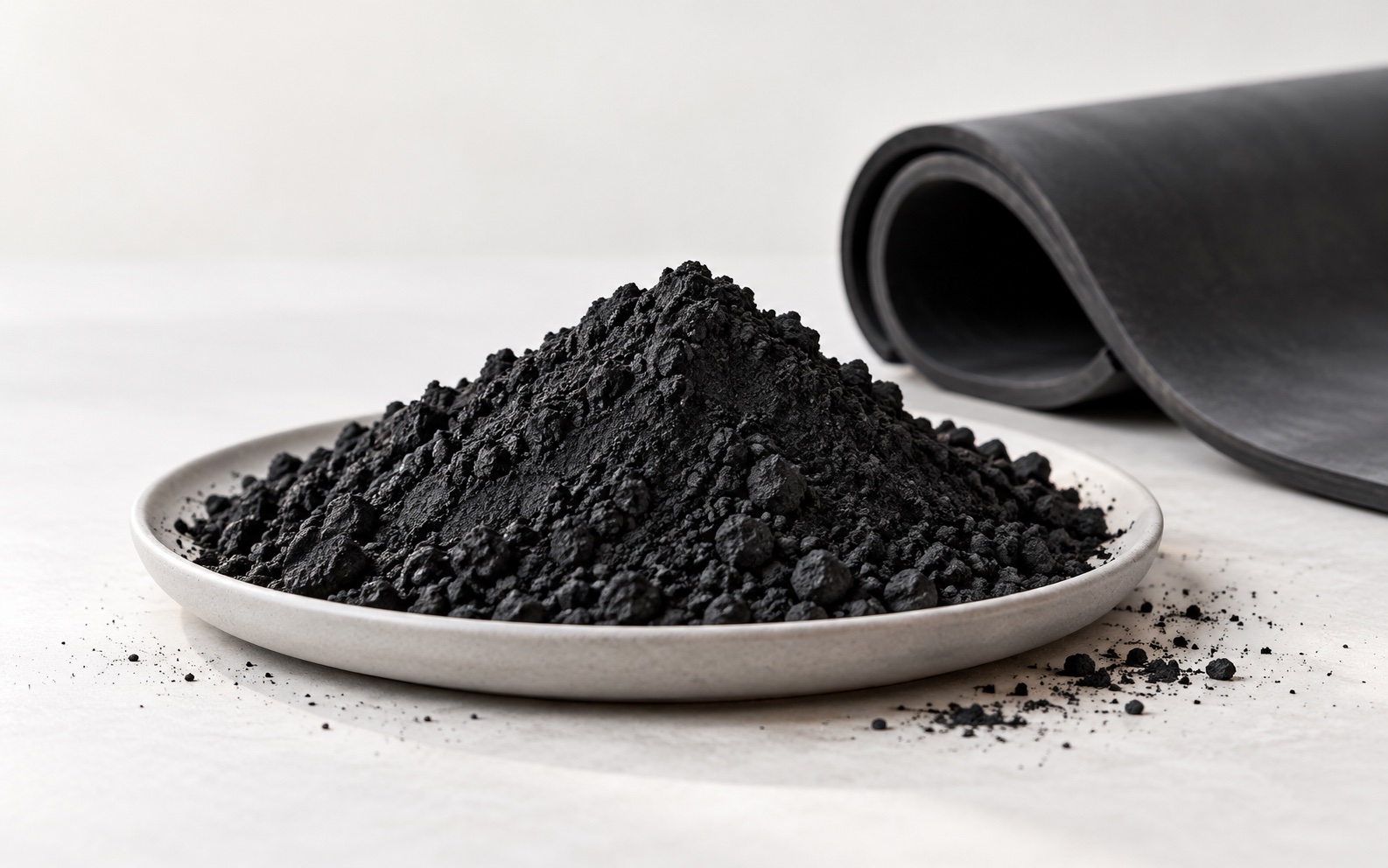
Virgin carbon black is produced as a new material; rCB is recovered from previously used rubber goods. Their different origins are a reason to compare actual product information, rather than assume equivalence from colour or a familiar grade description.
ASTM has a separate classification for rCB used in rubber products. Its existence provides a useful reminder to ask which material type is being offered. A classification reference is not evidence that a particular HB product has been tested or assigned to a class.
Choose a benchmark you can reproduce
Write down the existing compound, material quantities, mixing sequence, processing conditions and the checks used to approve the product. Use a current production compound as the reference whenever possible. If the reference itself changes between trials, it becomes harder to understand the result.
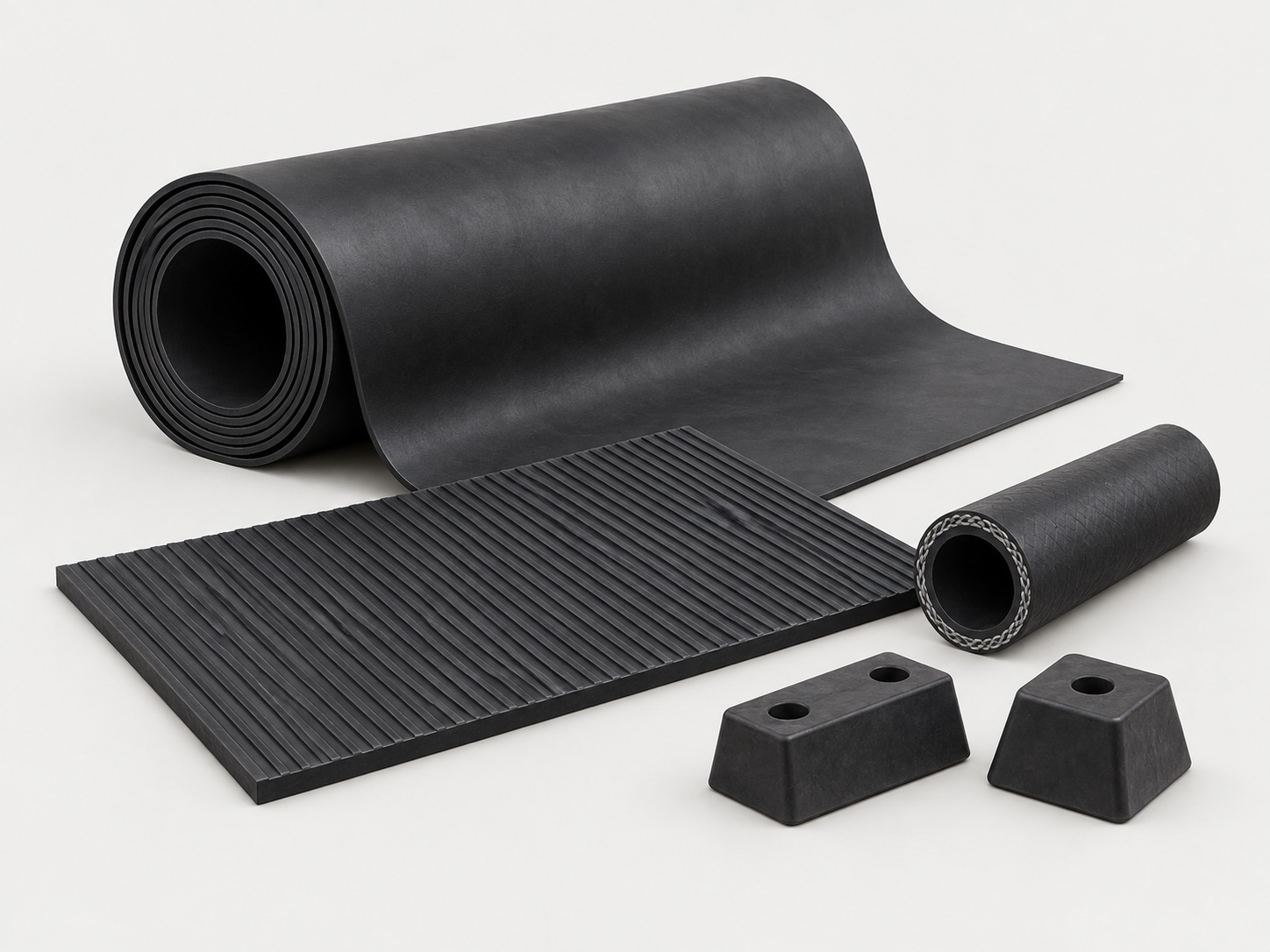
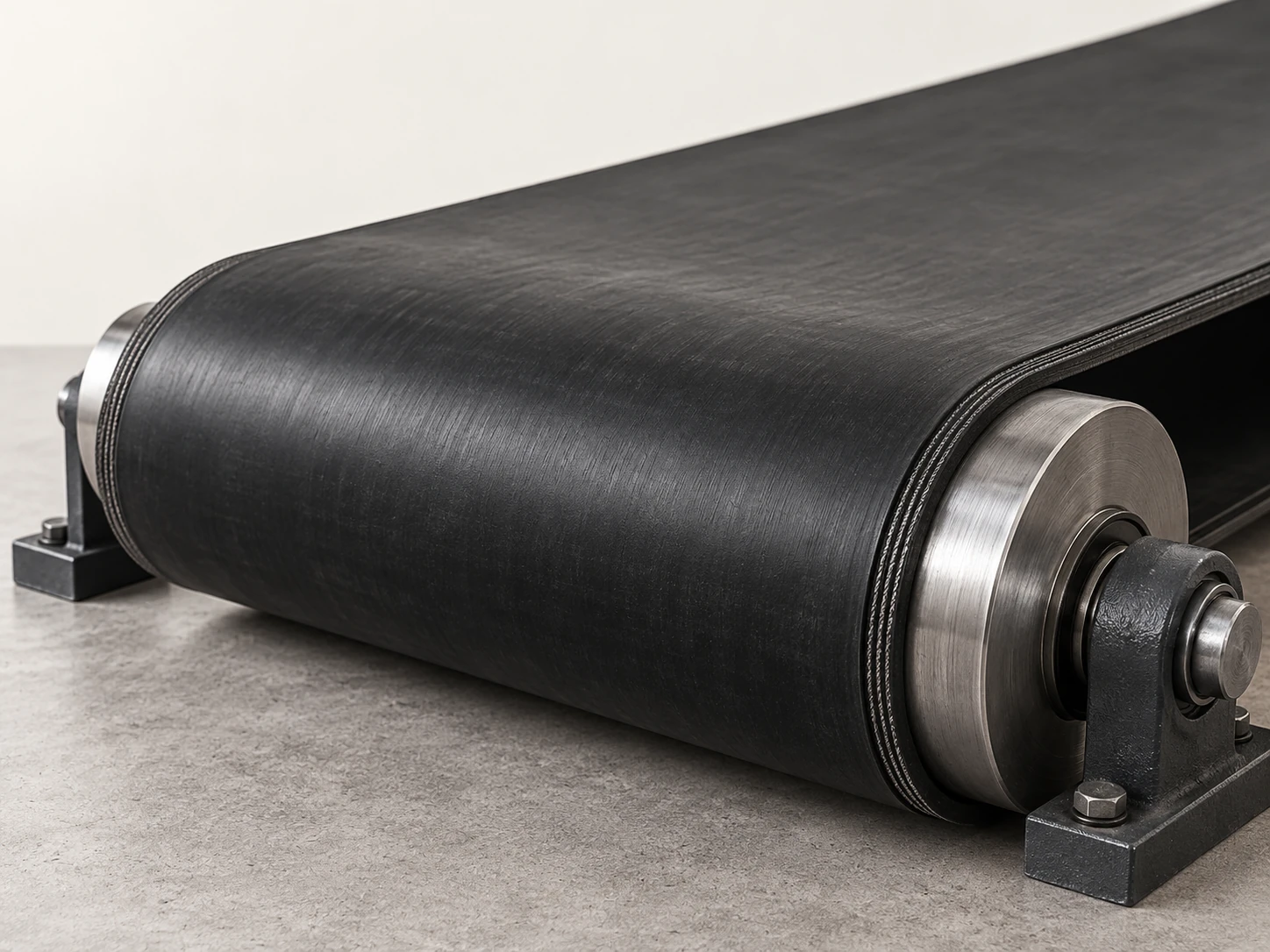
Then identify what must remain acceptable. For a conveyor-belt compound, that might include wear, flexibility or adhesion requirements, depending on the layer and service. For a rubber mat, the discussion may put more emphasis on hardness, appearance and use conditions. The acceptance list belongs to your application.
Compare a controlled series of trial blends
Agree a manageable trial plan with the people responsible for formulation and testing. Identify each sample, record the blend clearly and observe the same process stages for each trial. Avoid selecting a blending percentage from another company’s marketing page without checking the basis.
- During mixing: record the observations your process normally uses to assess incorporation and dispersion.
- During production: note changes in handling and the ability to make a consistent part or sheet.
- After processing: compare the required finished properties using the same methods.
- At review: consider repeatability and any additional work the new compound requires.
Compare the approved compound, not just the filler price
A lower quoted material price is one input. Calculate the material cost of the trial recipe and include relevant delivery, handling and processing changes. A promising formulation is one that meets the defined requirements at an acceptable overall cost.
Record what passed, what needs adjustment and what information is still missing. If a trial does not meet the requirements, use that result to narrow the next discussion rather than extend a claim beyond the evidence.
Review HB’s product information checklist or tell us about your compound. Include the intended application and the checks that will determine whether a blend is useful.