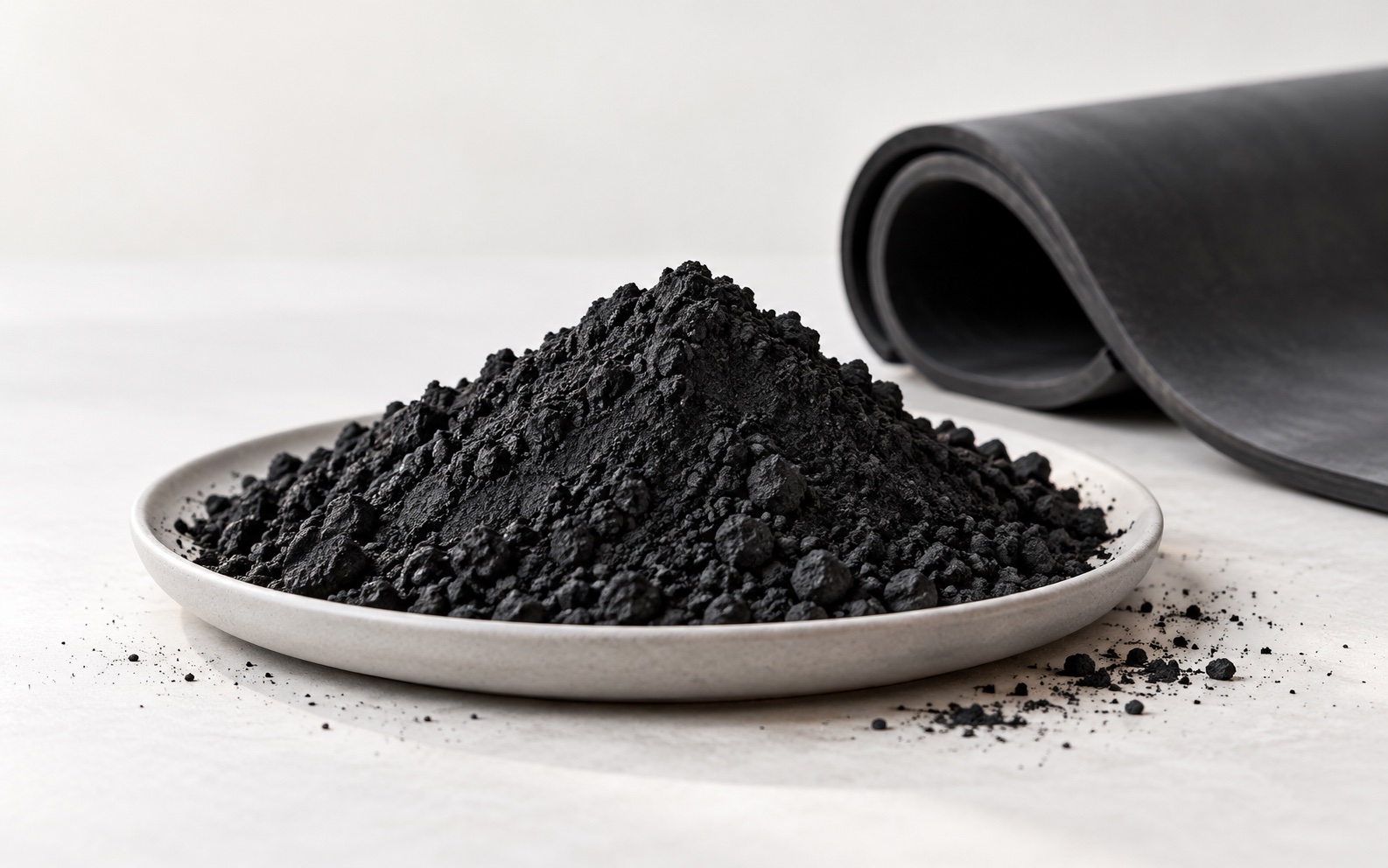
Recovered carbon black, usually shortened to rCB, is a carbon-rich material recovered from rubber products at the end of their useful life. For HB, the starting material is waste tyres. The commercial question is what the recovered material can contribute to another rubber formulation.
Buyers may also search for recycled carbon black, tyre-derived carbon black or pyrolysis carbon black. These expressions help describe the source or process, but a product name alone does not establish its quality, processing behaviour or suitability for your compound.
From a discarded tyre to a material decision
A general recovery route separates useful materials from end-of-life tyres through thermal processing and subsequent preparation. ASTM explains that raw rCB is followed by post-processing to produce rCB. Ask which preparation steps apply to the material you are being offered; the description of one supplier’s process should not be assumed to describe every product. ASTM’s introduction to recovered carbon black provides industry context.
HB’s focus is the evaluation of tyre-derived material in ordinary industrial rubber. Discuss the available product information before selecting a sample or changing a production recipe.
Why the product details matter
Two black materials can look similar in a photograph while requiring different handling and formulation decisions. Request the current material form, a clearly identified specification and any supporting batch information. Where a number is supplied, ask what it measures, how it was tested and whether it is a typical value or an agreed limit.
ASTM maintains a terminology standard specifically for this field: D8178, terminology relating to rCB. A consistent name helps communication; it does not replace the specification for the actual material.
Where should an industrial rubber buyer begin?
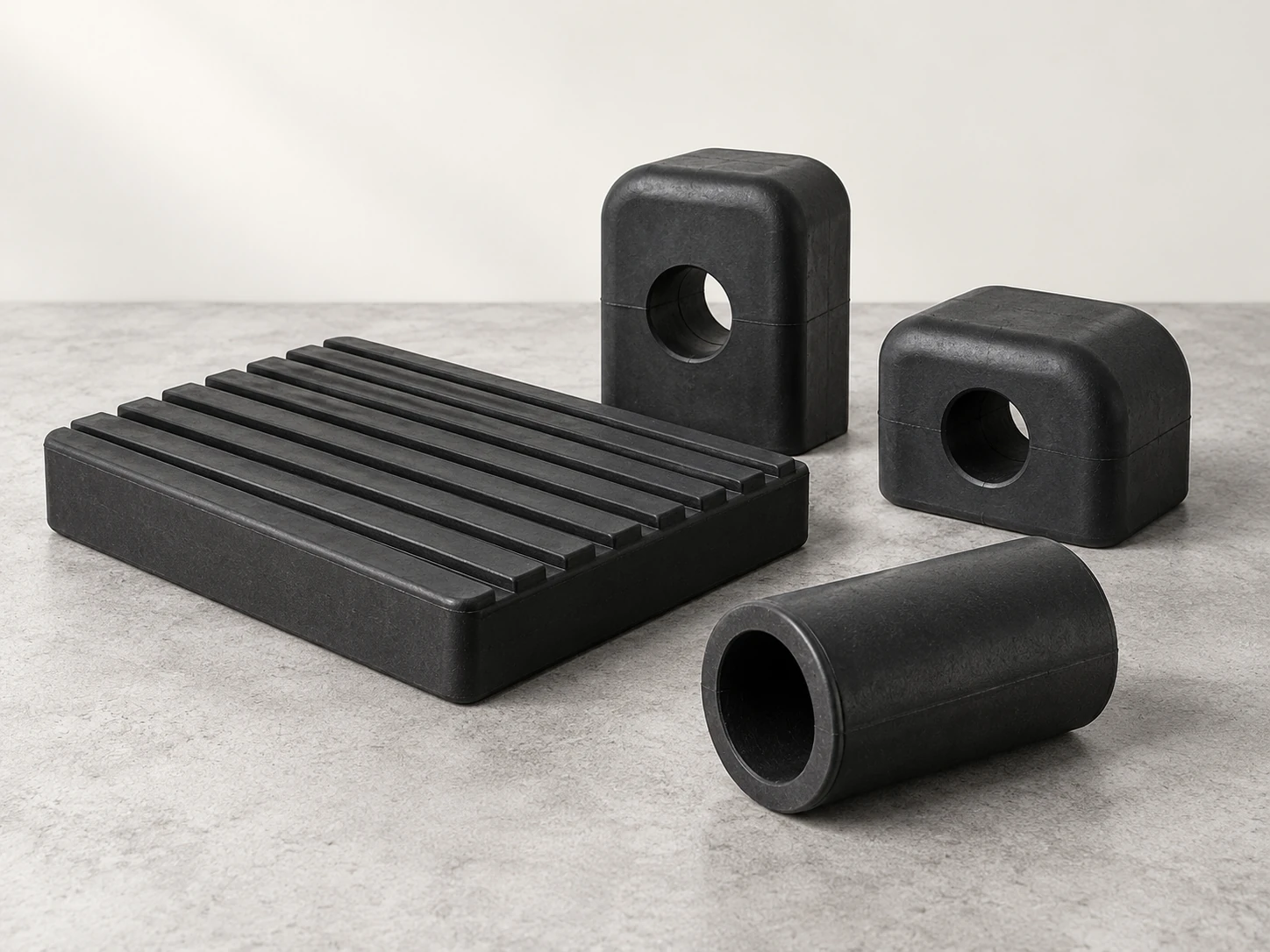
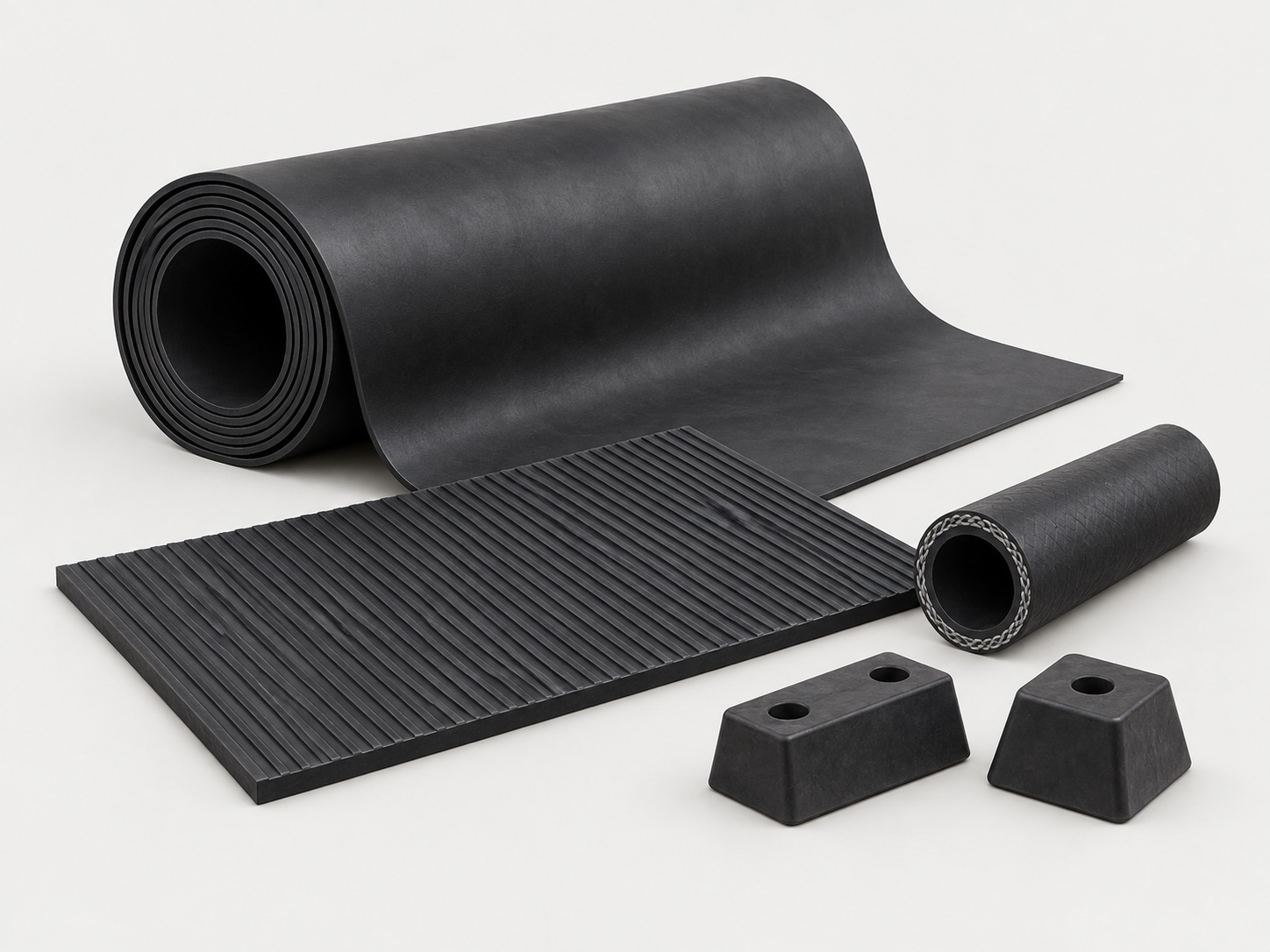
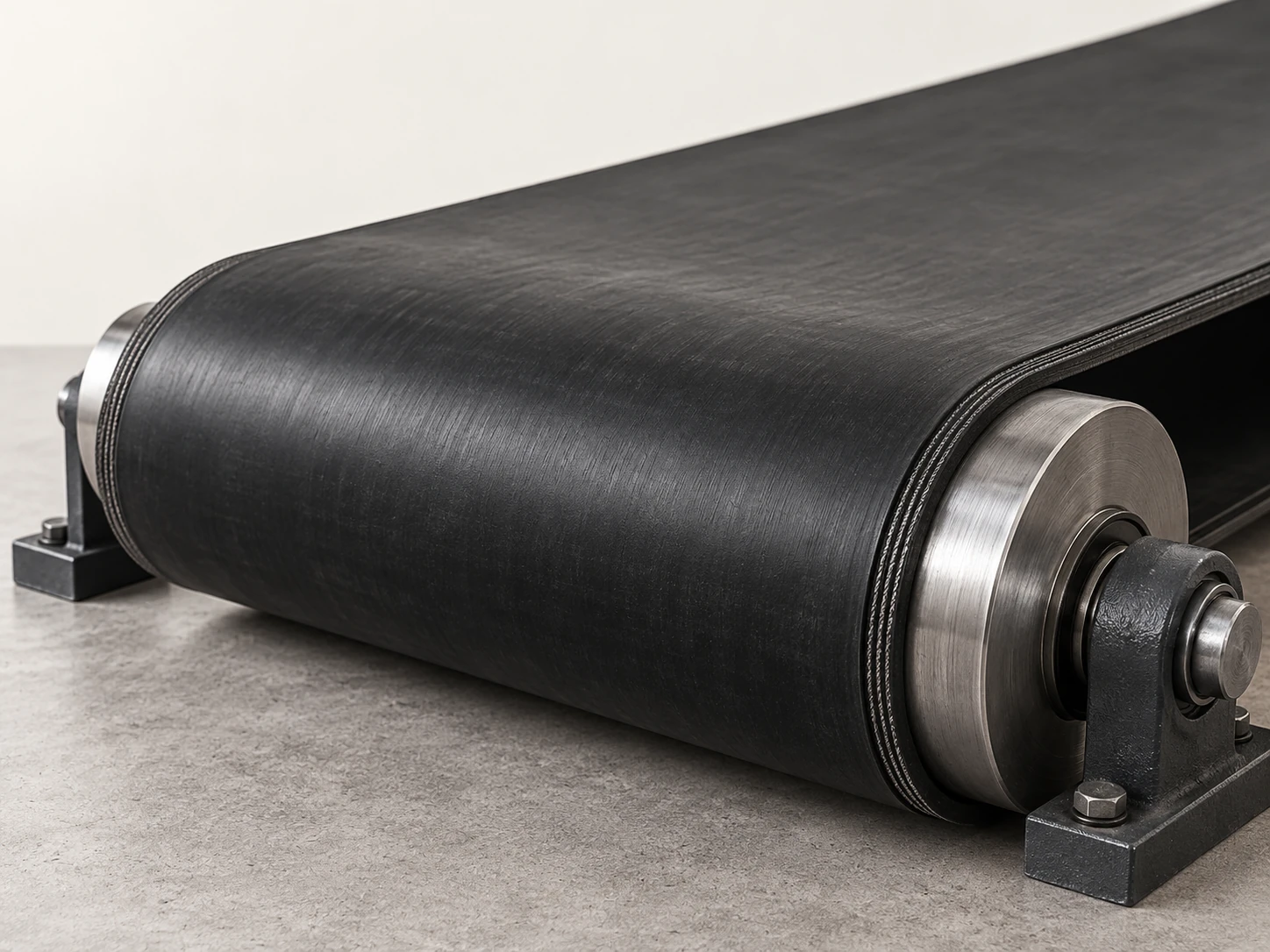
Start with one defined compound. An ordinary conveyor-belt compound, a rubber sheet or a general moulded part can be a discussion point when its required properties are known. A belt should be described by the compound or layer being assessed and its intended service, rather than by the word “belt” alone.
- Record the current recipe and acceptance requirements.
- Identify the processing observations and finished properties to compare.
- Discuss a partial blend with virgin carbon black as an evaluation route.
- Review the trial result before selecting a commercial blending level.
Keep the purchasing decision tied to the application
The useful outcome is a material that meets a defined need in your own process. There is no universal replacement ratio for every product. Price comparisons should also account for delivery and the formulation that passes your checks.
Explore HB’s application evaluation directions, then send an inquiry with the product you make, your destination and the information you need. That gives the next discussion a concrete starting point.