One recovered material.More formulation possibilities.
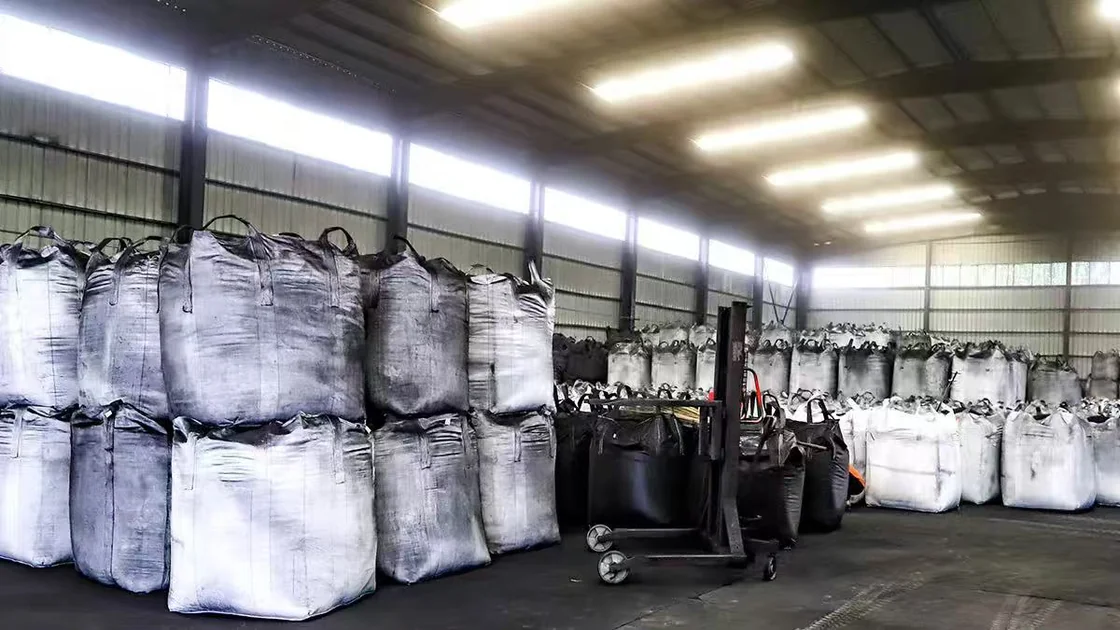
Explore eight application fields for recovered carbon black. Ordinary industrial rubber is our current priority, with partial blends alongside virgin carbon black evaluated against the intended product. Other fields offer directions for formulation discussion and testing.
01OUR CURRENT FOCUS
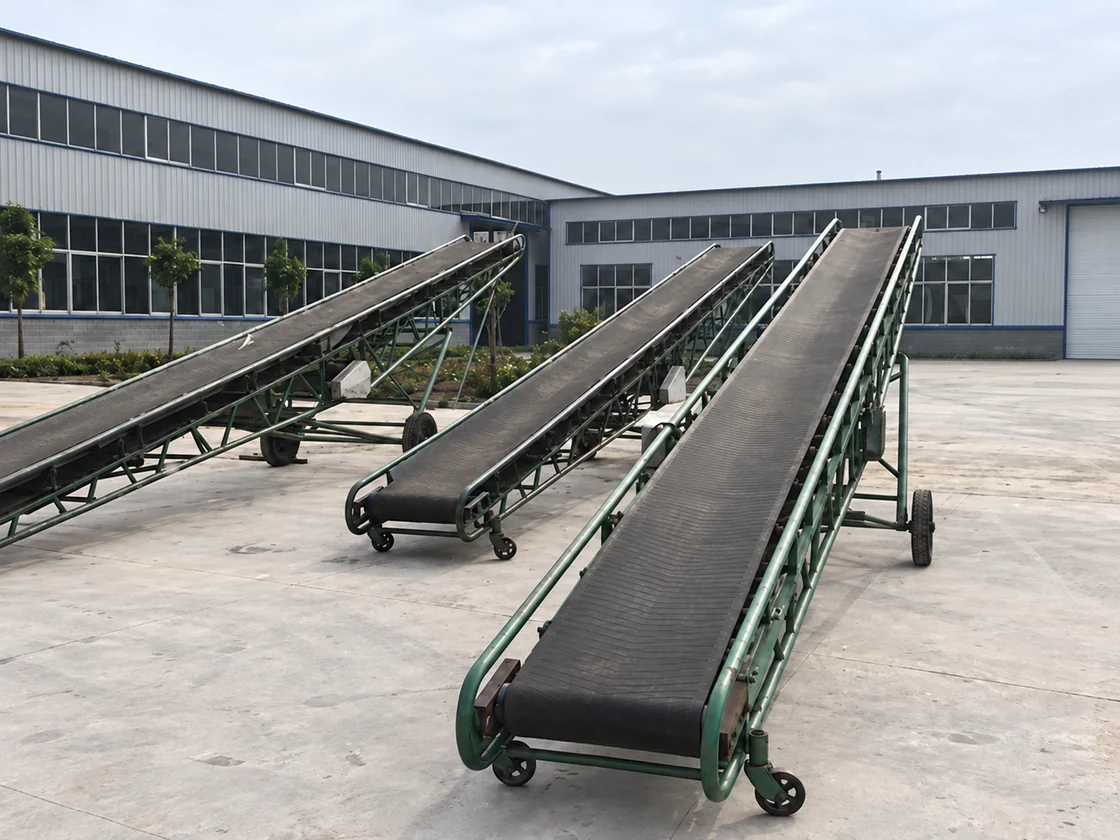
Mobile belt conveyors · AI-enhanced source photo
Industrial rubber
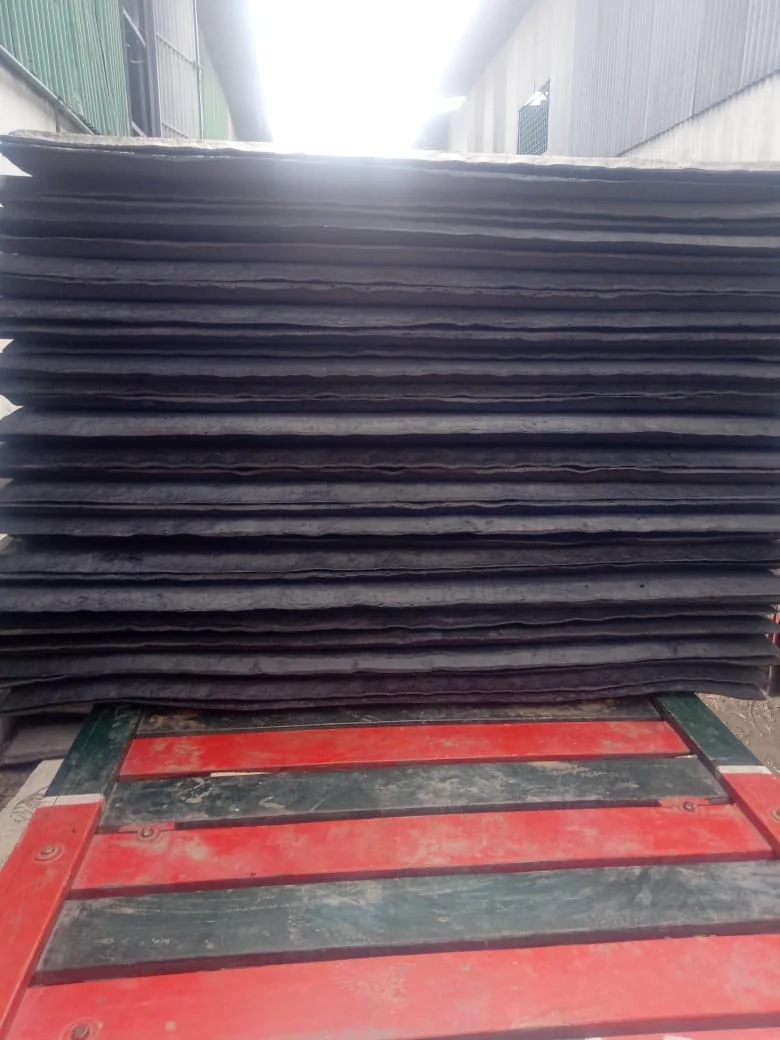
Conveyor-belt compounds, rubber sheets and other ordinary industrial rubber products offer a practical starting point for a blending trial. Identify the exact compound and service conditions, then compare an rCB blend with the existing recipe to assess both product requirements and material cost.
PRODUCT EXAMPLES
Ordinary conveyor-belt compounds
Rubber sheets and industrial mats
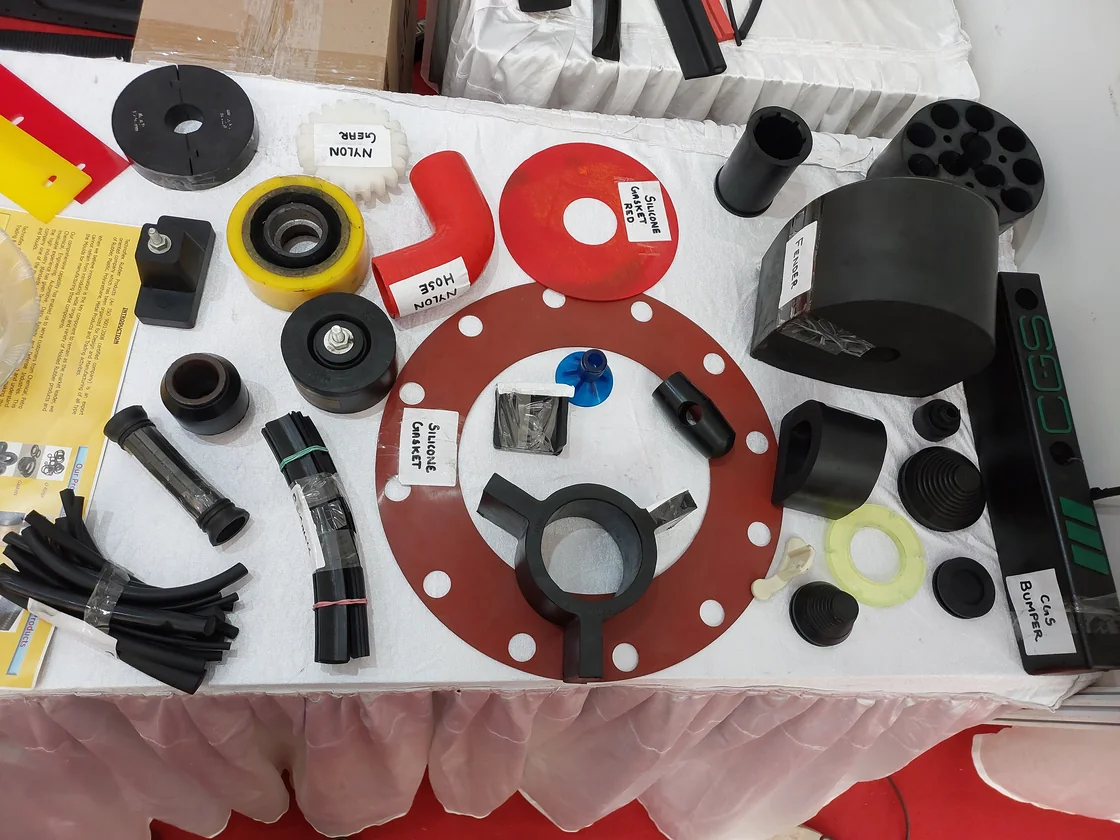
General-purpose hoses and rubber seals
WHAT TO EVALUATE
Hardness, flexibility and wear requirements
Dispersion, mixing and cure behaviour
Cost of the recipe that passes evaluation
TELL US ABOUT YOUR APPLICATION
Share the product, rubber system, compound or belt layer under review, current carbon-black use and the checks the trial needs to pass.
For selected recycled-plastic and general-purpose plastic compounds, rCB can be screened as a candidate for black coloration or filling. Start with the polymer, process and appearance target, then determine whether further material processing or formulation work is needed.
PRODUCT EXAMPLES
Recycled-plastic compounds
General-purpose trays and containers
Black plastic profiles and sheets
WHAT TO EVALUATE
Dispersion and black appearance
Flow, filtration and moulding behaviour
Mechanical properties and surface finish
TELL US ABOUT YOUR APPLICATION
Tell us the polymer, recycled content, production process, intended use and the appearance and property targets for the finished product.
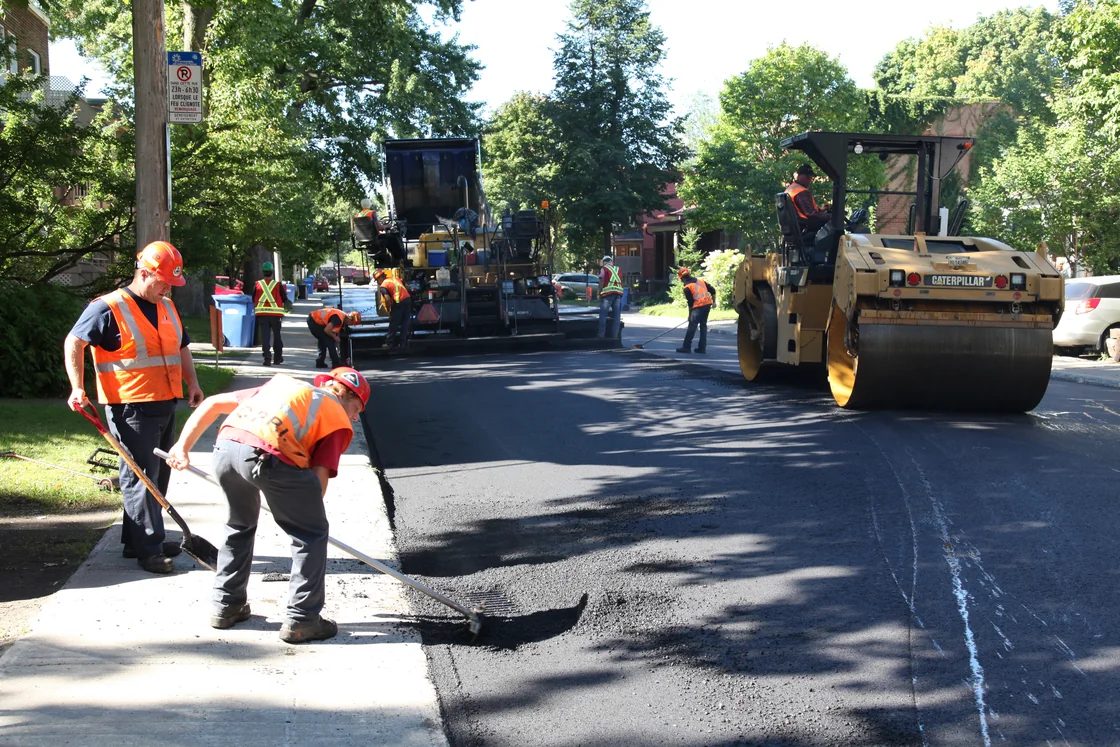
Asphalt and related road materials are a potential direction for formulation research. A useful trial starts with the binder and mixture design, then checks how the candidate material changes processing and the properties required by the project specification.
PRODUCT EXAMPLES
Asphalt binder trials
Road-paving mixture trials
Bituminous sealing compounds
WHAT TO EVALUATE
Compatibility and dispersion in the binder
Viscosity, mixing and placement conditions
Ageing and project-specific road tests
TELL US ABOUT YOUR APPLICATION
Provide the binder type, proposed material role, mixture design and the project specification or test programme used to judge the result.
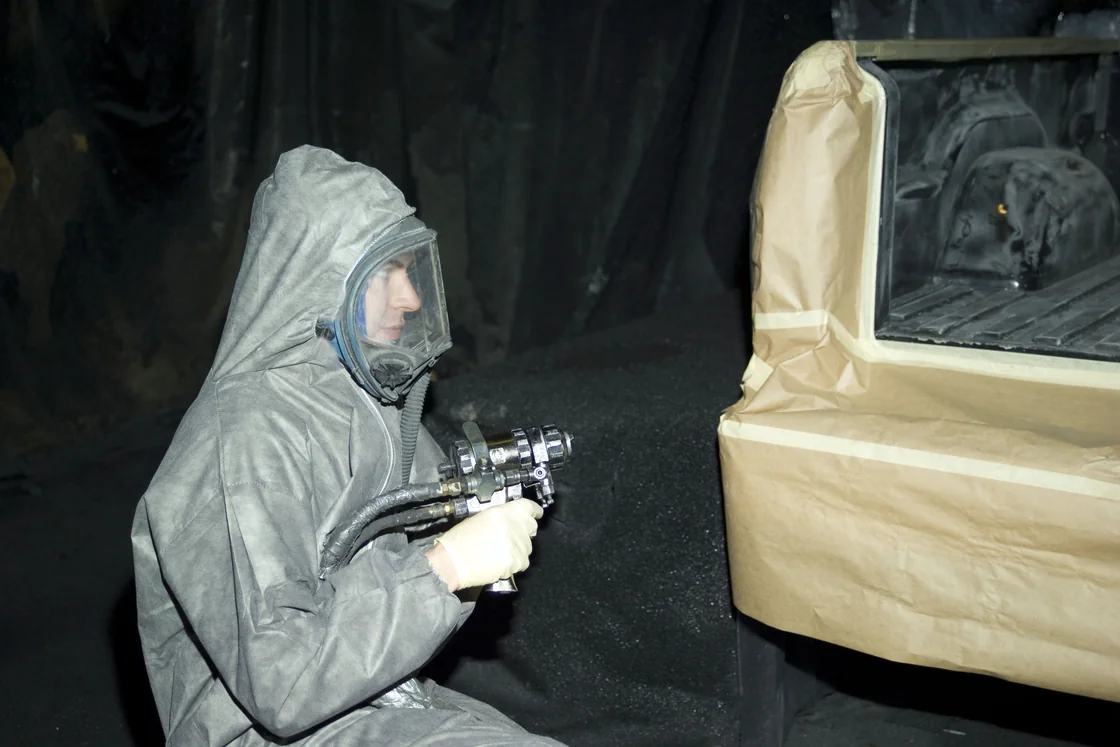
Selected industrial coating and ink formulations may be explored where the material's fineness, dispersion and colour can be assessed against the target finish. Establish the pigment or filler role first; additional processing may be needed before evaluating the formulation.
PRODUCT EXAMPLES
General industrial black coatings
Selected printing-ink trials
Black pigment and filler blends
WHAT TO EVALUATE
Fineness, dispersion and settling
Shade, tinting strength and surface finish
Viscosity and formulation compatibility
TELL US ABOUT YOUR APPLICATION
Describe the coating or ink system, desired finish, dispersion process and the limits used to accept the formulation.
Masterbatch and compound development connects material selection with downstream use. Explore a candidate black masterbatch or compound in a defined carrier system, then test its dispersion and processing both during preparation and after dilution into the final formulation.
PRODUCT EXAMPLES
Black masterbatch development
Plastic compound development
Rubber pre-mix development
WHAT TO EVALUATE
Carrier compatibility and dispersion
Loading, extrusion and filtration behaviour
Colour and properties after dilution
TELL US ABOUT YOUR APPLICATION
Share the carrier, planned loading, let-down ratio, downstream process and the acceptance requirements of the final product.
In compounds containing reclaimed rubber, assess rCB alongside the other fillers already present in the formulation. Keep the reclaimed feedstock and processing conditions consistent during a trial so that changes in mixing, curing and finished-product properties can be compared meaningfully.
PRODUCT EXAMPLES
Reclaimed-rubber blends
Reprocessed rubber sheets
General recycled-rubber products
WHAT TO EVALUATE
Existing filler content and material consistency
Mixing, cure behaviour and processability
Hardness, flexibility and finished-product checks
TELL US ABOUT YOUR APPLICATION
Describe the reclaimed-rubber source, its proportion in the recipe, other fillers and the intended finished product.
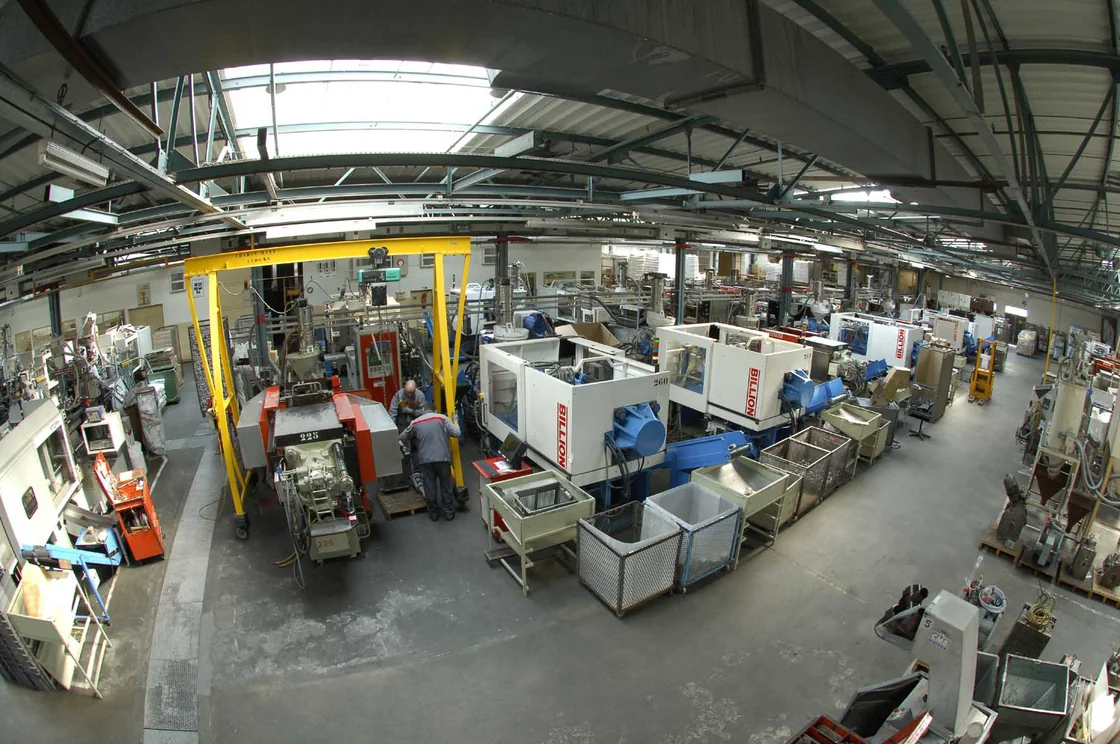
For ordinary moulded components, evaluate the candidate formulation through the actual production process. Rubber parts and plastic parts need separate trial plans: compare how the material fills the mould, releases and forms the surface, then check the properties required of the finished component.
PRODUCT EXAMPLES
General rubber pads and blocks
Rubber sleeves and protective boots
General-purpose moulded plastic parts
WHAT TO EVALUATE
Mould filling, release and cycle behaviour
Dimensions and surface appearance
Part-specific mechanical requirements
TELL US ABOUT YOUR APPLICATION
Provide the part type, rubber or plastic system, moulding method and the checks used to approve the component.
Beyond rubber and plastics, a potential filler application starts with a clear purpose in the formulation. Selected non-structural composite or building-material trials can be discussed around the host material, processing route and finished-product requirements, rather than a broad claim of universal suitability.
PRODUCT EXAMPLES
Non-structural composite trial pieces
Selected building-material formulations
Custom industrial filler blends
WHAT TO EVALUATE
Compatibility with the host material
Mixing, forming and curing requirements
Finished-product and environmental acceptance checks
TELL US ABOUT YOUR APPLICATION
Explain the host material, intended filler function, manufacturing route and any product-specific or environmental requirements.
Industrial rubber is our current evaluation focus. The other fields shown are potential formulation directions; suitability, processing needs and blending levels must be established for the intended product through testing.
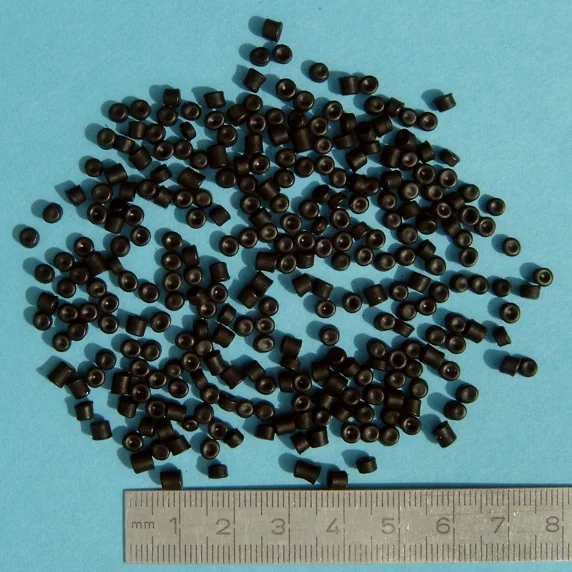
Application photographs illustrate industry settings and product types; they do not establish product suitability.
Photo credits
Photographs are resized and framed for this layout. The licences below apply to the individual images. External industry photographs are illustrative and do not document use of HB material.